
1The household
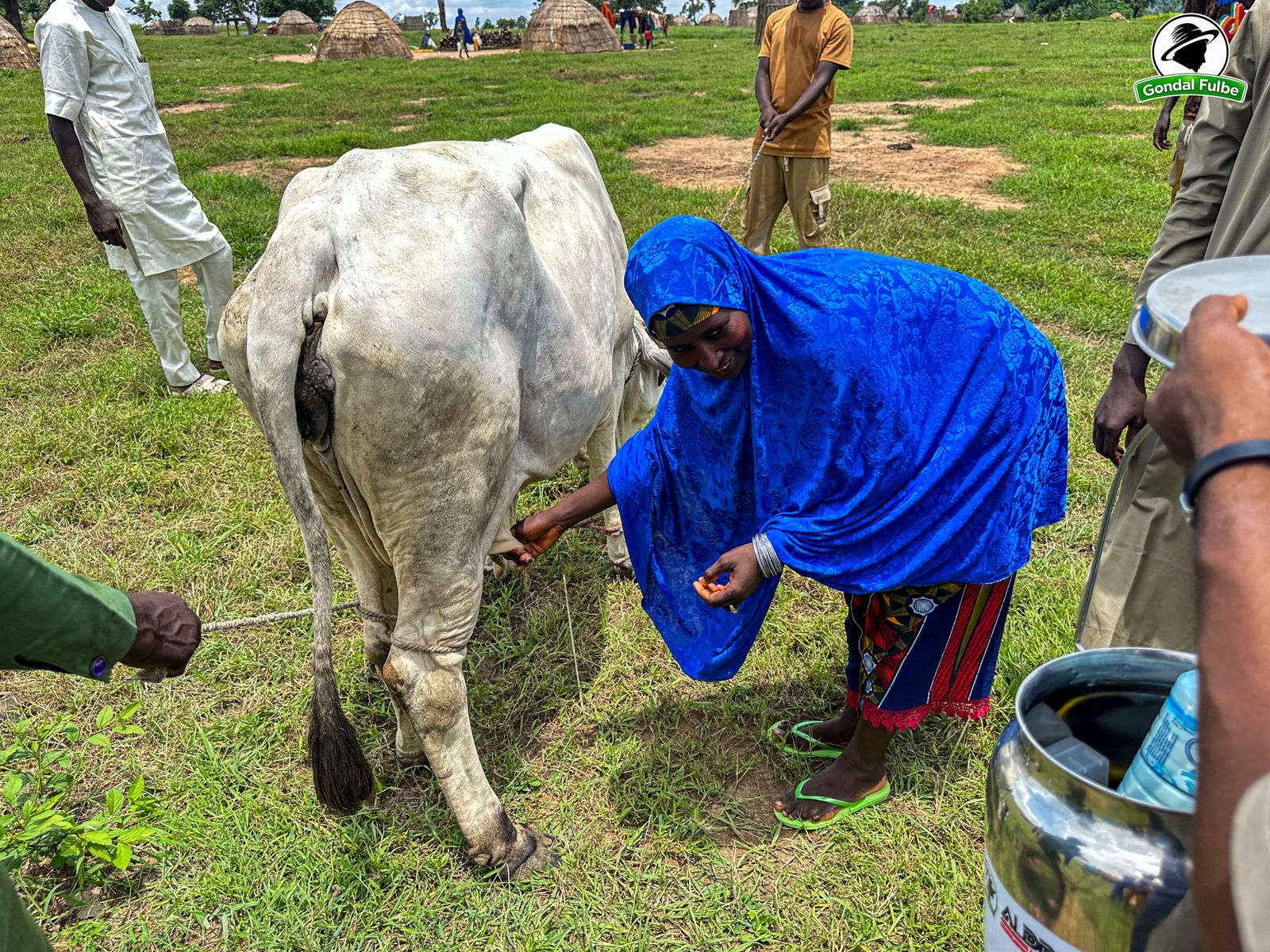
Morning milking at home
Families milk their own cattle, using hygiene and herd health skills learned in our field trainings and from Climate Action Entrepreneurs in their community.
54,381 cattle vaccinatedGondal Fulbe is a farmer-owned dairy cooperative in Adamawa and Taraba States. We help pastoralist families turn the milk their herds already give into a steady, fairly paid income.
The households who own the herds earn very little from them. Yields are low, feed runs out in the dry season, and milk often sours before anyone buys it. The milk is there and the market is there. What is missing is what connects them.
is spent every year importing dairy products to fill the gap. We work to keep more of that money in pastoralist communities.
Every member sits on one route. Scroll to follow the milk from the herd to the processor.
Stage 1 of 4
Families milk their own cattle, using hygiene and herd health skills learned in our field trainings and from Climate Action Entrepreneurs in their community.
54,381 cattle vaccinatedMembers bring milk to a point run by their own cooperative. Each community cooperative elects a committee to manage it.
39 cooperatives formed and registeredMilk is checked for quality and chilled. Farmers are paid fairly by weight at intake, so a morning's milking becomes cash.
13,760 litres collected every dayOur processing partner takes every litre that meets the standard. Farmers sell with confidence because the market is already there.
5 collection centres runningEvery activity, investment and partnership we take on sits under one of these pillars.
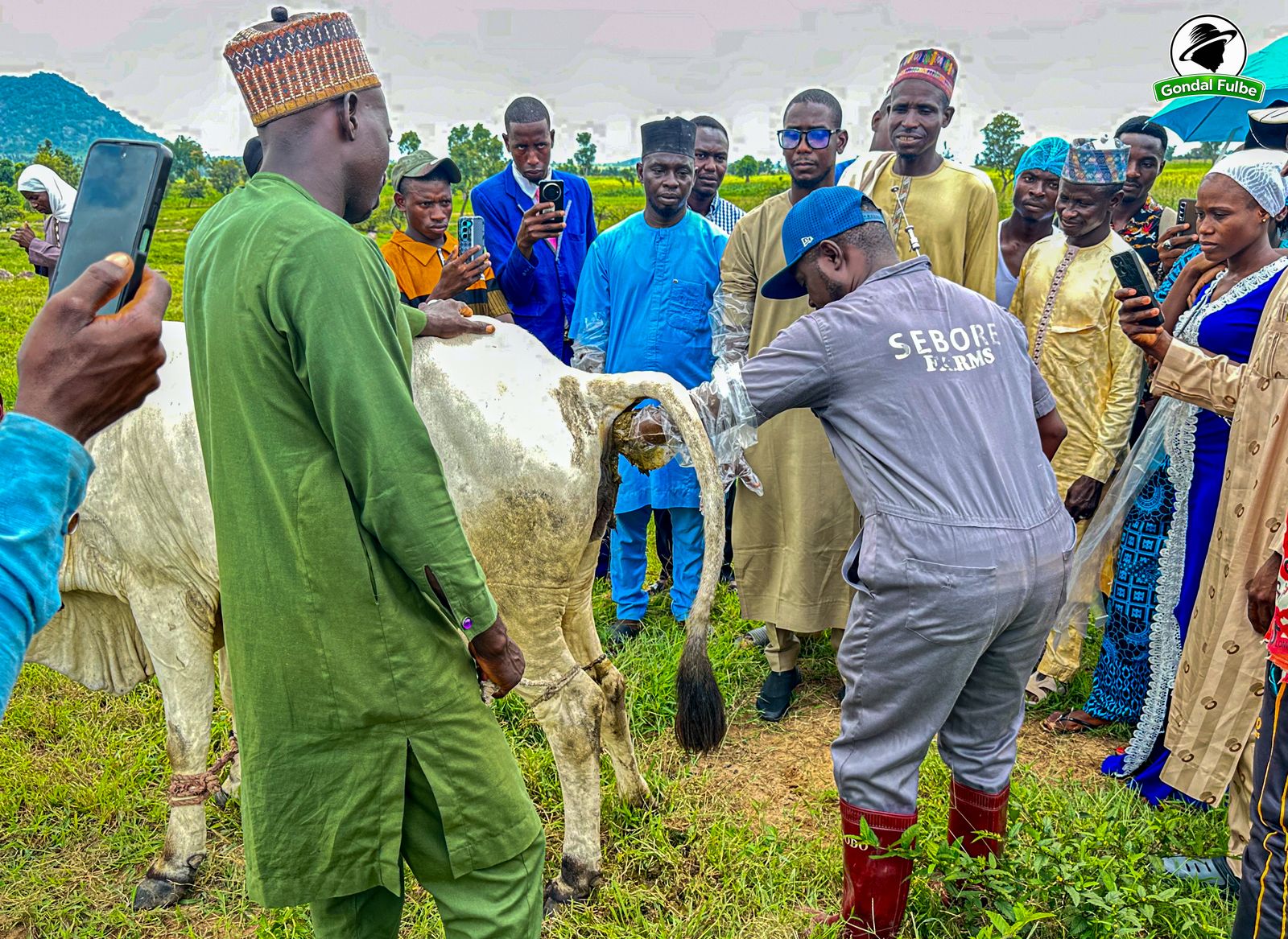
Better breeds, better feed and healthier herds. Farmers learn by watching it done on local cattle.
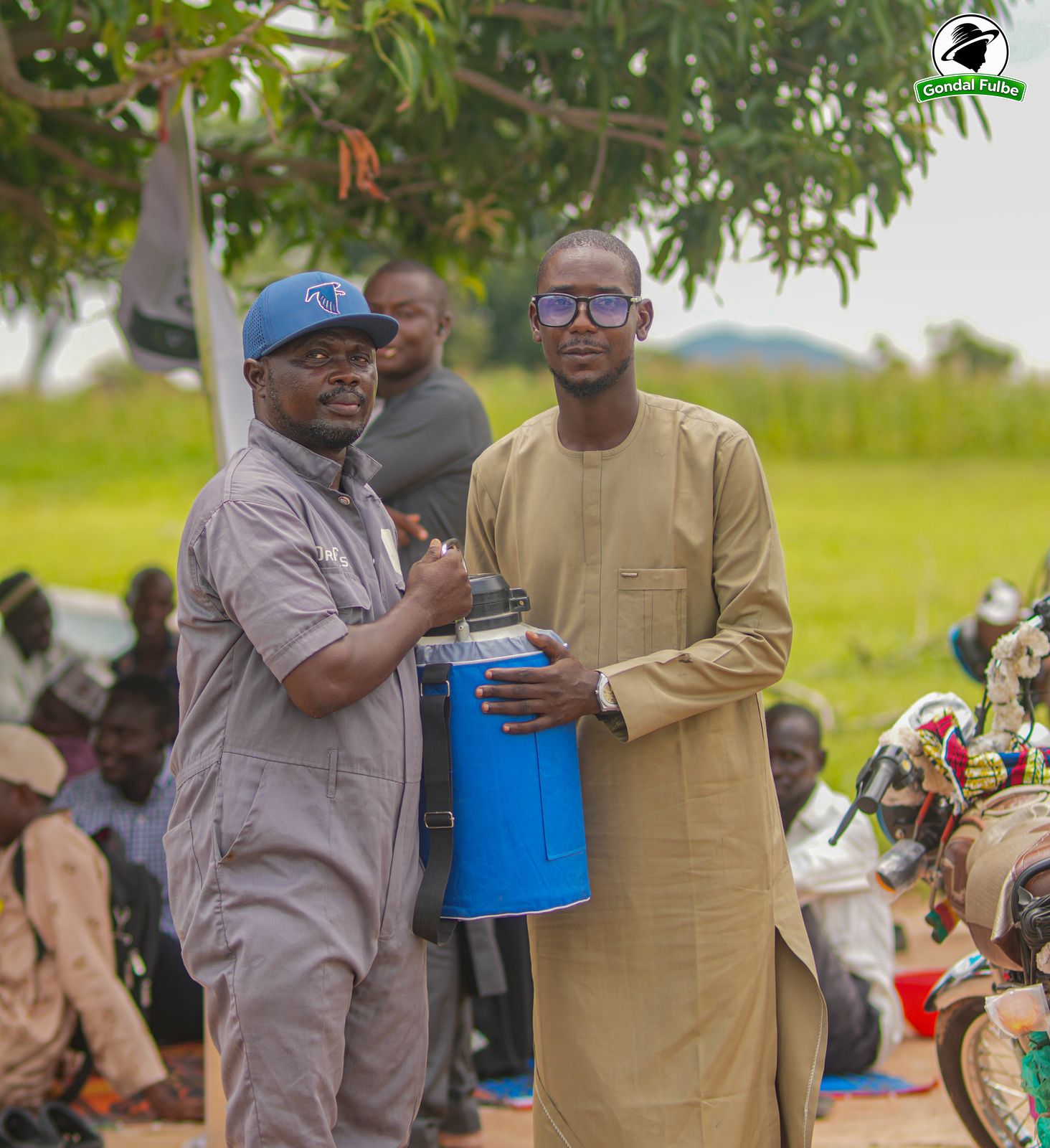
Collection centres, a working cold chain and payment by weight mean milk is sold, not wasted.
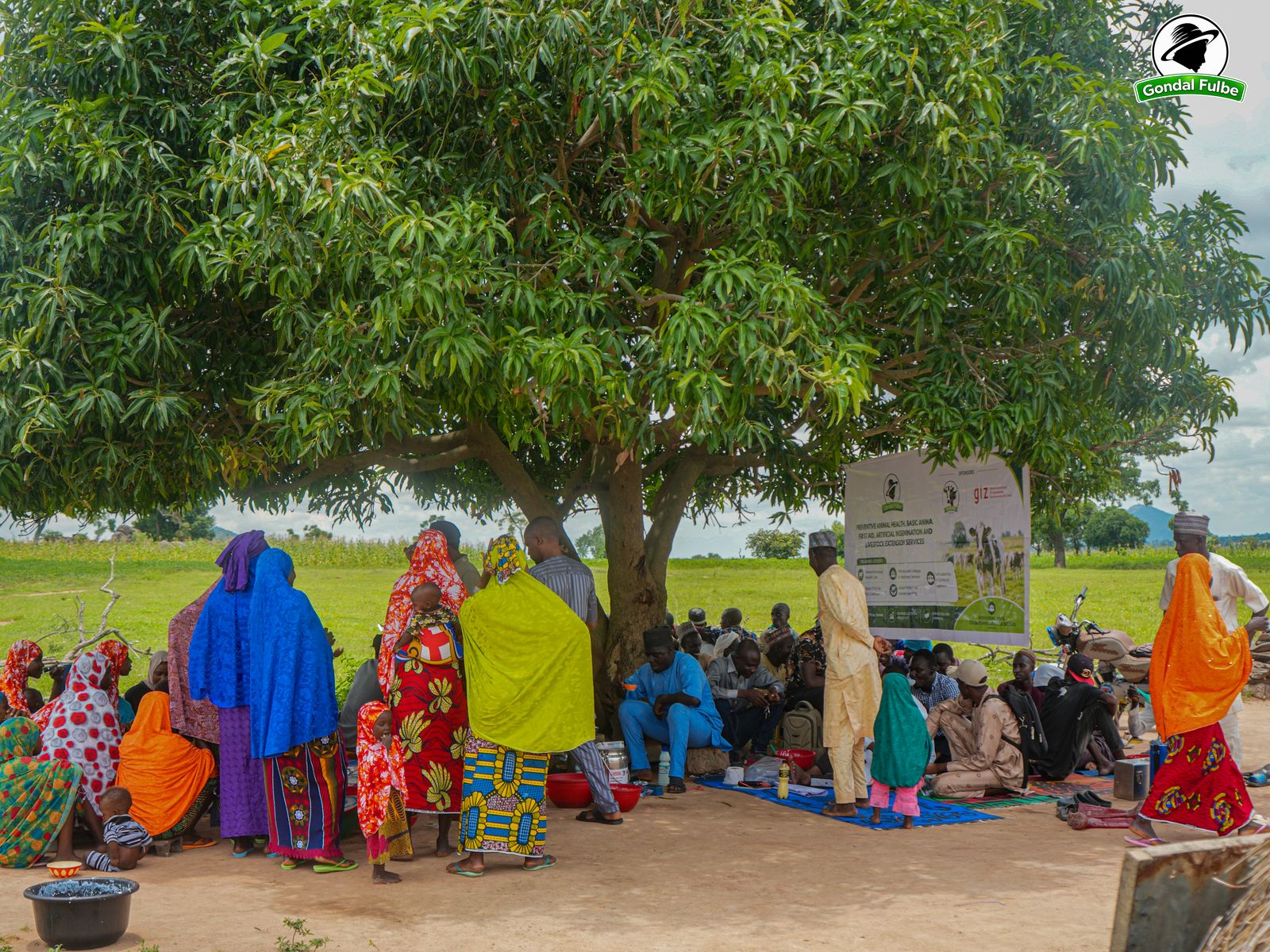
We form and register community cooperatives and train their leaders, with a member-owned microfinance bank in view.
Digital registration and an ERP system track every member, every litre and every payment.
Results from January 2025 to September 2026 across Adamawa and Taraba, combining cooperative work with programmes run alongside our partners.
Bars show progress against the 2030 target. By 2030 we also aim for 95% financial inclusion among members and 80% adoption of modern dairy practice.
Our members are organised into community cooperatives that feed into one federated structure, with Sebore International Farms as our processing partner.
To empower smallholder dairy farmers, especially women and youth, with quality inputs, modern production methods and reliable market links that raise income, food security and wellbeing.
To become Nigeria's leading model of a sustainable and inclusive dairy cooperative, changing rural livelihoods through innovation, cooperation and market leadership.
We prosper together by positioning our community first.
Four tiers keep professional management answerable to the farmers who own the cooperative.
All members. Holds supreme authority and elects farmer representatives to the Board.
Farmer directors hold the majority, with a minority of expert and stakeholder directors.
A professional General Manager and staff, hired by and accountable to the Board.
Elected farmers who run their own milk collection point.
Community first: shared prosperity, inclusion and local knowledge at the centre.
Modern tools and data-driven management.
Open governance, clear accounts, decisions made together.
Care for the land and long-term financial independence.
Honest leadership and honest dealings at every level.
Excellence in production, service and customer satisfaction.
We work in pastoralist communities across Adamawa and Taraba. Our office is at No. 34 Zimbabwe Crescent, Bekaji, Jimeta/Yola, Adamawa State.
Coming next. Partnerships in development would take the model to Kwara State, with a full dairy value chain programme, and to Jigawa State, with five commercial fodder farms covering 100 hectares.
Milestones from 2025 to August 2026. Filter by the kind of work, then open any entry for the detail.
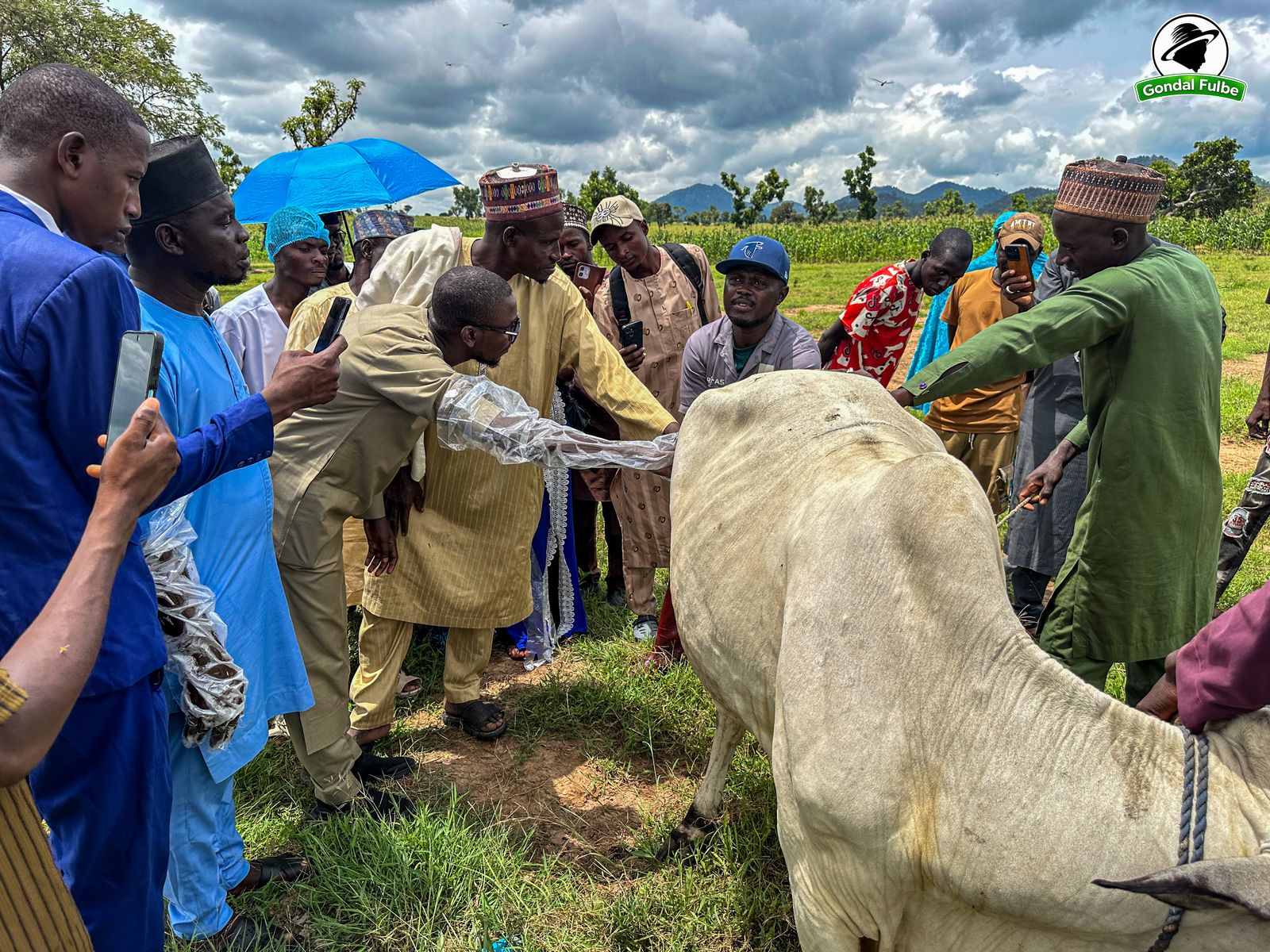
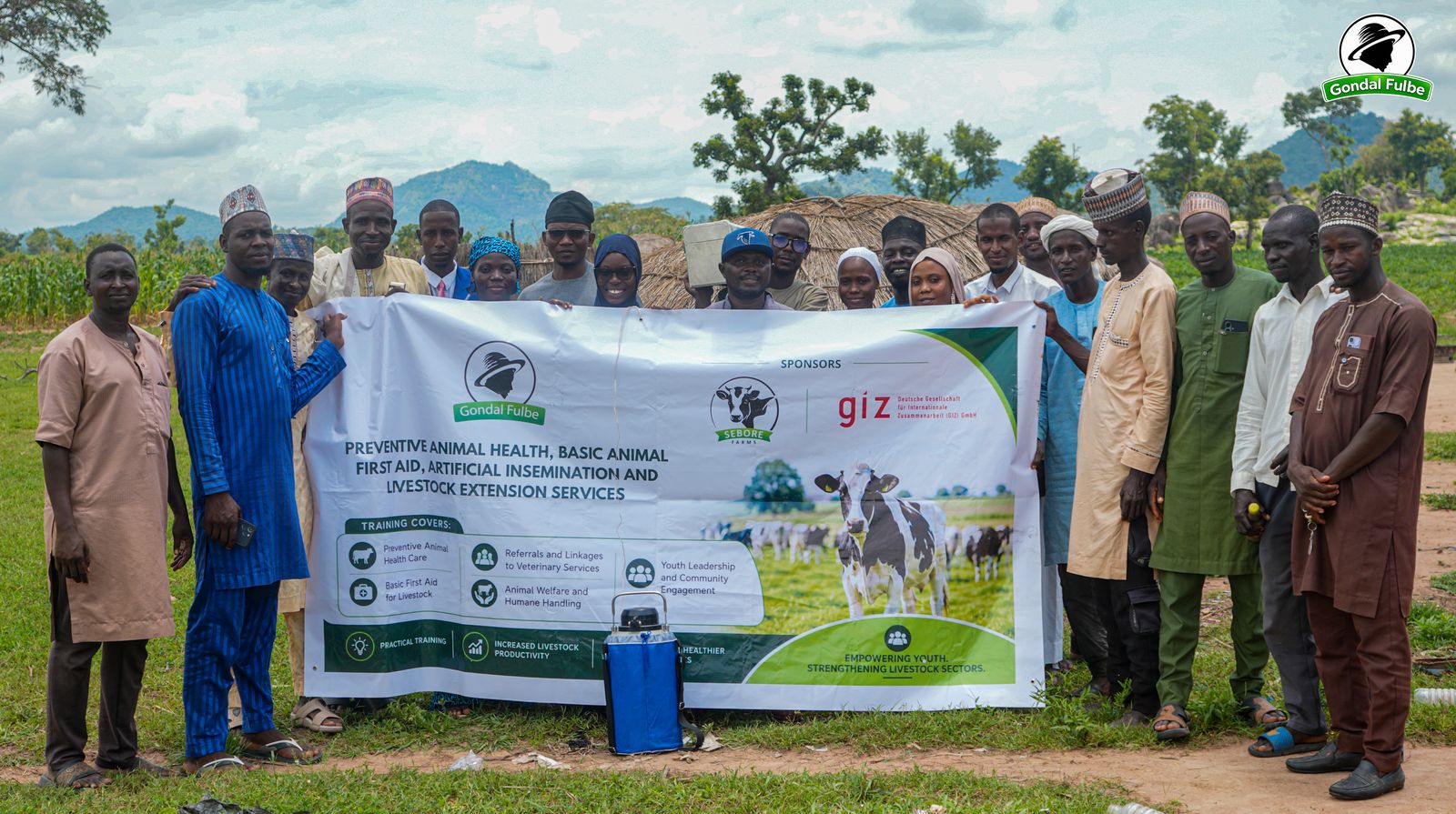
30 youth agripreneurs in Sunkani and 15 community extension agents in Jalingo were trained on dairy enterprise, animal health and artificial insemination.
Taraba StateWhen milk collection at Badee was paused, the community raised it directly. A joint visit with the GIZ gender and livelihood team went to Labbare, Wuro-Ladde and Badee, resolved the concern, and asked women dairy farmers what else they needed. They named rice milling, groundnut processing and home gardening, which are now being developed.
With GIZFive 500-litre cooling tanks were deployed. The Climate Action Entrepreneur programme closed the same month, having met every one of its targets.
Adamawa and Taraba, with Heifer International NigeriaPilot artificial insemination services were delivered in Turakeke, Binkola and Malkohi using Holstein Friesian genetics. Over the period, 155 cows were inseminated, with a 37% success rate.
Adamawa and TarabaCooperatives were formed in Mayo Belwa, Yola and Jalingo, each with elected leadership, a constitution, State Ministry registration and a bank account. Each received a motorcycle, a smartphone for digital reporting and an artificial insemination kit.
Adamawa and TarabaChosen from 74 applicants through a written exam and interview, with strong participation by women: 35 in Adamawa and 15 in Taraba. They now serve as a permanent extension layer for dairy communities.
With Heifer International NigeriaThe boreholes give farmers and their herds clean water through the dry season, when cattle would otherwise be walked long distances to drink.
Adamawa and TarabaNo milestones in this group yet. Choose All to see every entry.
“Women contribute significantly to milk production but are often excluded from decision making. This programme has changed that for me.”
Basma now supports women dairy farmers on cooperative participation, savings groups and the business side of dairy.
Basma Musa Climate Action Entrepreneur“Improved breeds can produce more milk, which can increase household income and strengthen food security for dairy farming families.”
After years of supplying milk without training, Abubakar is mobilising neighbours, planting improved fodder and pushing for breed improvement.
Abubakar Adamu Climate Action Entrepreneur“With better saving habits, I will grow my dairy business and support my children's education.”
Financial literacy training changed how Aliyu handles milk income. For the first time, a daily payment is connected to a long-term goal.
Aliyu Alhaji Cheido Member farmer“Healthy cattle, better breeding and increased women's participation will improve household incomes and community development.”
Deborah is now the bridge between women dairy farmers in her community and the extension services they had never reached.
Deborah Godwin Climate Action Entrepreneur“Many farmers, especially women and youth, lack access to technical information on livestock health. This programme gave me knowledge I can share widely.”
Laila is passing on animal health and climate-smart practice to women and youth who have never had an extension worker visit.
Laila Musa Dayu Climate Action EntrepreneurSelect a photo to see it full size.
We are looking for partners who want their money to reach the farm gate. Here is where it goes furthest.